Efficient port services & logistics solutions
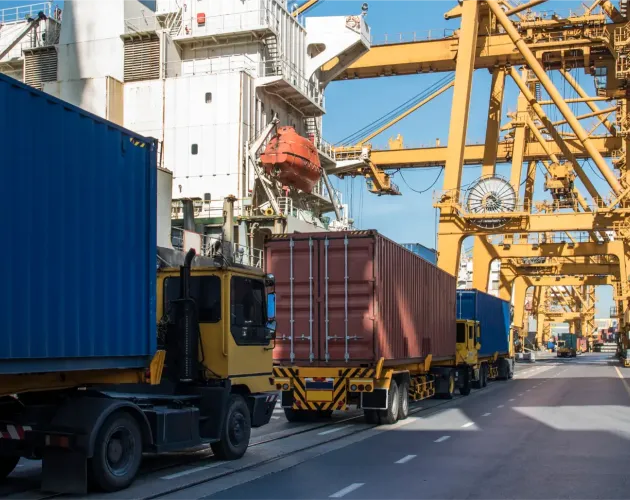
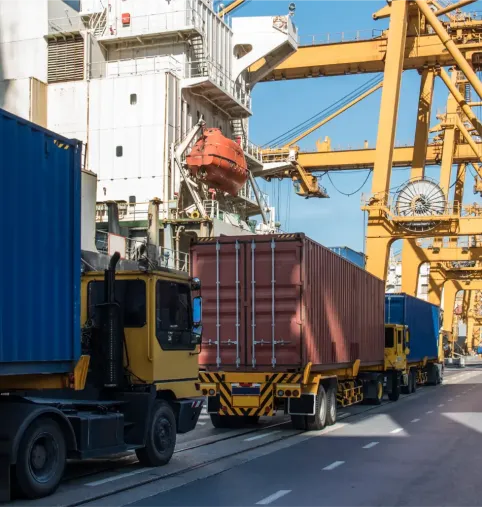
ACF provides port services designed to support efficient cargo movement through domestic and international ports, terminals, and multimodal transportation networks. Our logistics team coordinates container movement, terminal operations, drayage transportation, and freight scheduling to help businesses maintain visibility and operational continuity throughout import and export supply chain operations.
Integrated logistics designed to improve cargo flow and reduce delays
Container Movement Coordination
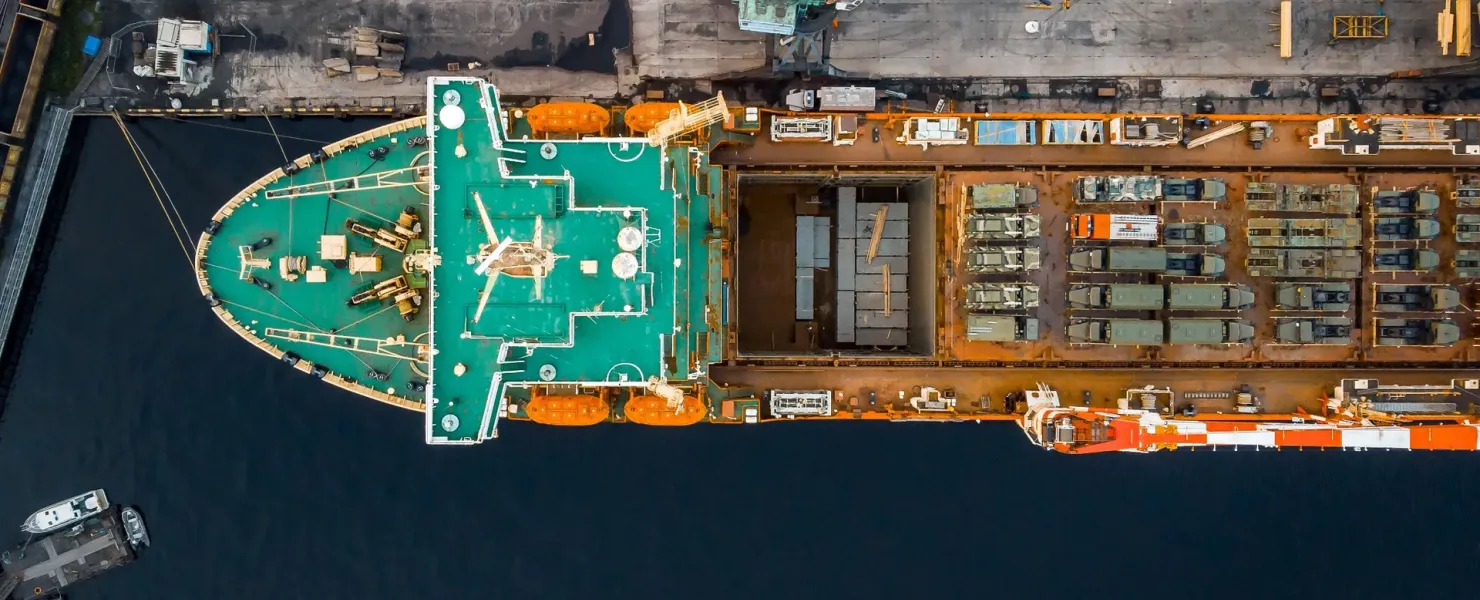
ACF coordinates container movement between ports, terminals, rail ramps, warehouses, and final delivery locations. Our logistics team helps businesses maintain efficient cargo flow while supporting shipment visibility throughout the transportation process.
Port Drayage Support

Port logistics operations often require short-distance transportation between ports, terminals, warehouses, and rail facilities. ACF supports drayage coordination designed to improve cargo movement and maintain operational efficiency across port transportation environments.
Import & Export Logistics Coordination

We support import and export freight operations involving scheduling coordination, cargo transfers, transportation planning, and multimodal freight movement through domestic and international ports.
Terminal & Transportation Coordination

Port operations frequently involve coordination between multiple transportation providers, terminal schedules, and distribution networks. ACF supports these operations through integrated logistics planning designed to reduce disruptions and maintain connected freight movement.
Scalable Port Logistics Support

Port transportation requirements can fluctuate due to seasonal shipping activity, global trade conditions, terminal congestion, and changing supply chain demands. ACF supports scalable port logistics operations designed to adapt to evolving transportation conditions and cargo volumes.
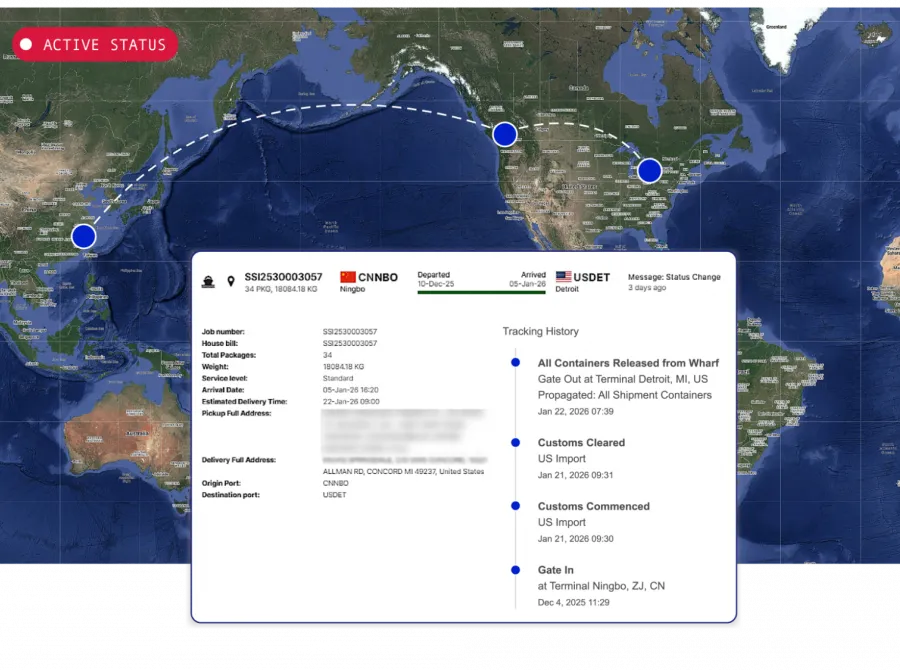
Track multimodal shipments in real time
Our technology platform records shipment milestones across departure, transit, and arrival. For time-sensitive cargo, real-time tracking keeps you informed as shipments move quickly through global air networks.
Global routes supported by local operations
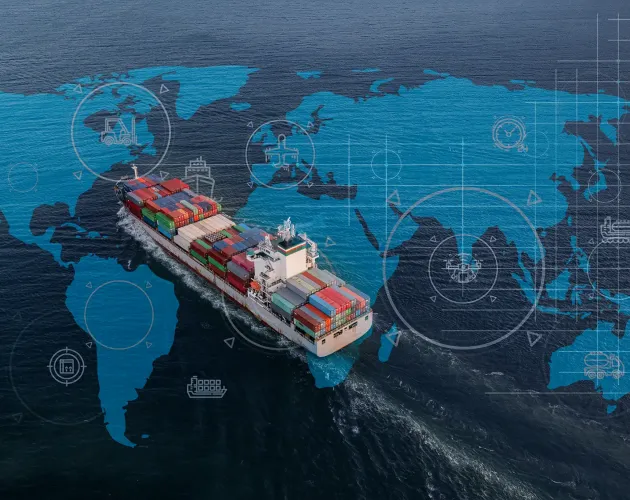
With ACF Global Logistics’ international presence, you gain access to major airport hubs across North America, Europe, Asia, and Mexico. Regional offices help coordinate air shipments locally while maintaining control across global routes.
Helping you navigate port logistics services

What are port logistics services?
Port logistics services involve coordinating cargo movement through ports, terminals, transportation networks, and distribution operations as part of import and export supply chains.
What types of cargo move through port services operations?
Containerized freight, industrial equipment, consumer goods, automotive parts, healthcare shipments, retail inventory, and international freight commonly move through port logistics operations.
How do port services support supply chains?
Port services help businesses coordinate cargo movement between ocean carriers, trucking providers, rail systems, warehouses, and final delivery locations across global transportation networks.
What is drayage in port logistics?
Drayage involves short-distance transportation between ports, terminals, warehouses, rail ramps, and distribution facilities within port transportation operations.
Can port services support international shipping?
Yes. Port logistics operations are commonly used to coordinate international freight movement involving import, export, and multimodal transportation networks.
What industries use port logistics services?
Manufacturing, retail, automotive, healthcare, industrial equipment, construction, and global distribution operations commonly rely on port logistics services.
How does shipment visibility support port operations?
Shipment visibility helps businesses maintain awareness across container movement, terminal handling, transportation schedules, and cargo delivery operations.
Does ACF coordinate multimodal transportation through ports?
Yes. ACF supports multimodal transportation coordination involving ports, trucking providers, rail systems, and global freight networks.
Can port logistics help reduce transportation delays?
Coordinated port logistics operations can help improve cargo flow, reduce scheduling disruptions, and support more efficient transportation planning across supply chain networks.
Does ACF provide scalable port logistics support?
Yes. ACF supports scalable port transportation operations designed to adapt to changing cargo volumes, global shipping activity, and evolving supply chain requirements.