Less-than-Truckload (LTL) services for your business.
LTL shipping operations involve combining freight from multiple shipments into shared transportation networks while coordinating routing, transit schedules, and cargo movement between distribution points. ACF supports these operations through transportation planning designed to improve freight efficiency and support more flexible shipping operations across changing supply chain conditions.
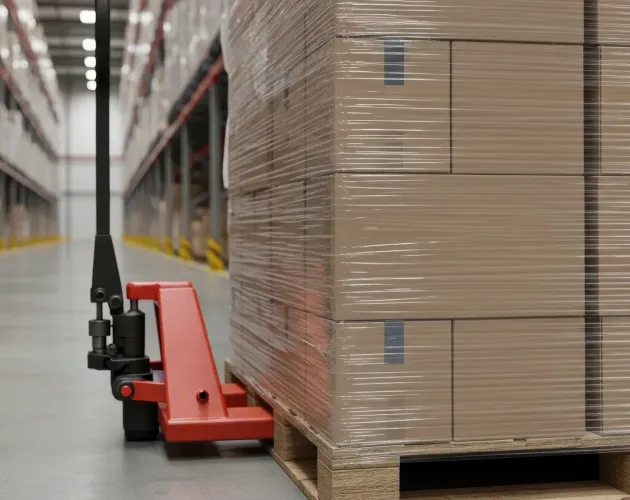
Scalable transportation coordination for recurring or variable freight volumes
Regional & Domestic LTL Shipping

ACF coordinates regional and domestic LTL transportation services designed to support flexible freight movement across shared carrier networks. Our logistics team helps businesses maintain efficient shipping operations while improving transportation visibility and routing coordination.
Flexible Freight Capacity
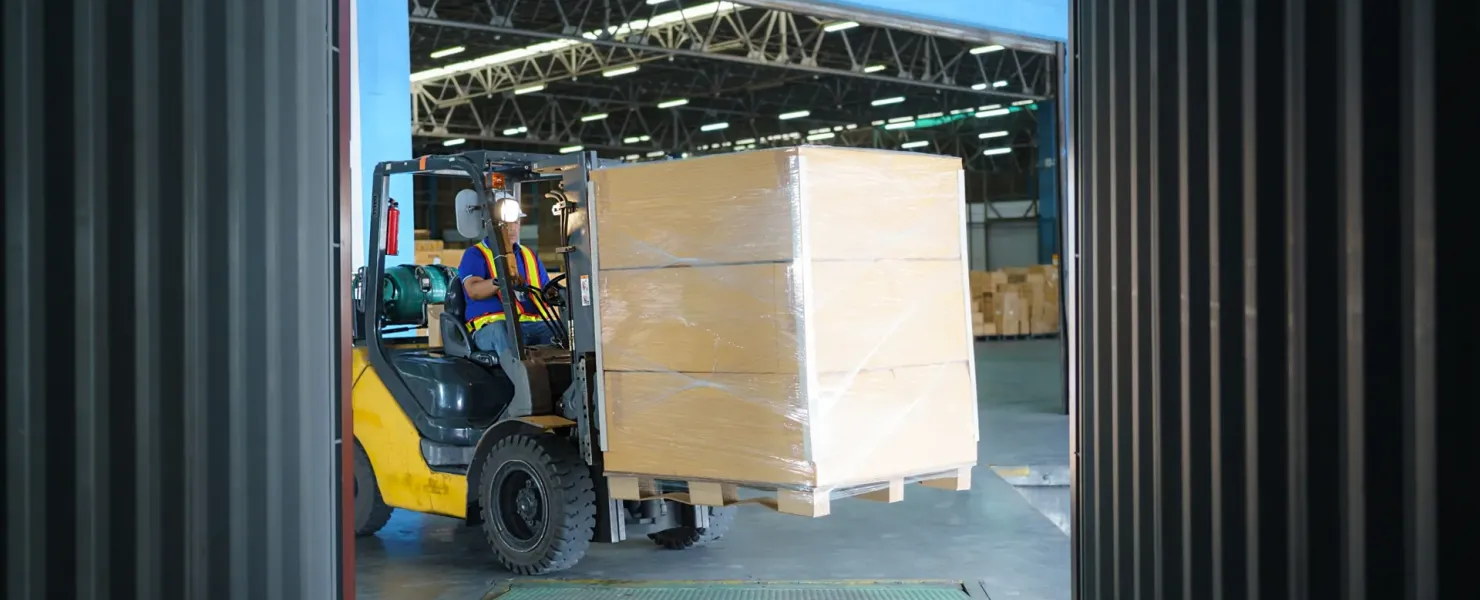
Less-than-truckload shipping allows businesses to move smaller freight volumes without paying for unused trailer space. ACF supports flexible transportation planning designed around changing shipment volumes and evolving distribution requirements.
Multistop & Distribution Coordination
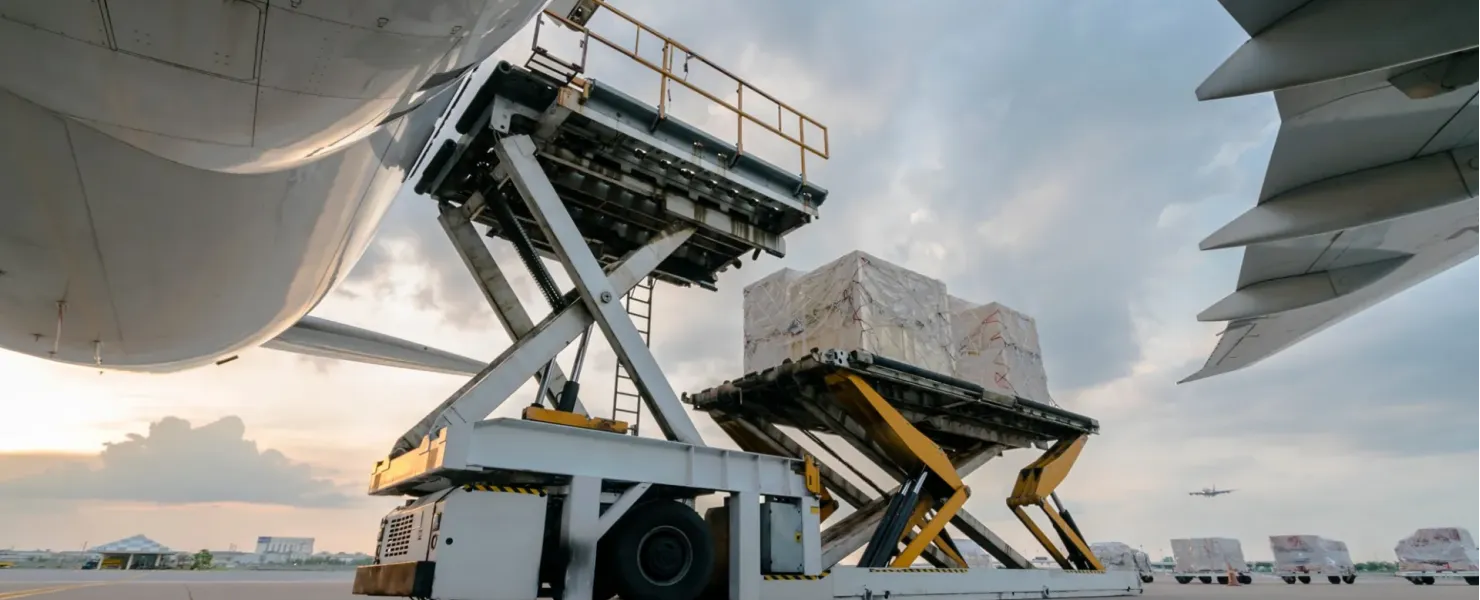
LTL freight operations often involve multiple delivery points, distribution centers, and routing schedules. ACF coordinates shipment planning designed to support efficient cargo movement throughout regional and domestic transportation networks.
Cost-Efficient Freight Movement

LTL shipping can help businesses reduce transportation expenses by sharing trailer space across multiple shipments while maintaining reliable cargo movement through coordinated transportation planning.
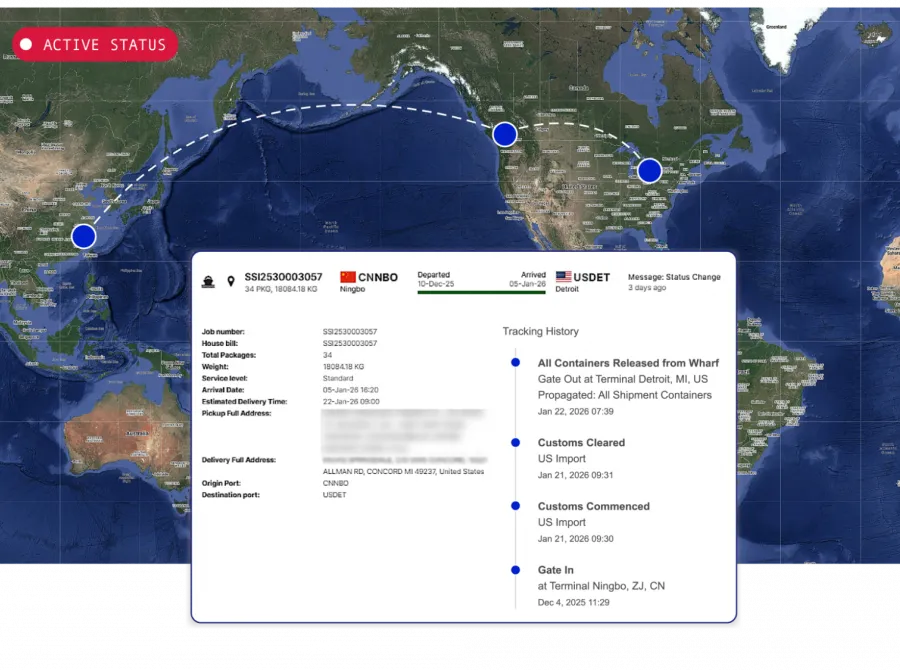
Track LTL shipments in real time
Our technology platform records shipment milestones across departure, transit, and arrival. For time-sensitive cargo, real-time tracking keeps you informed as shipments move quickly through global air networks.
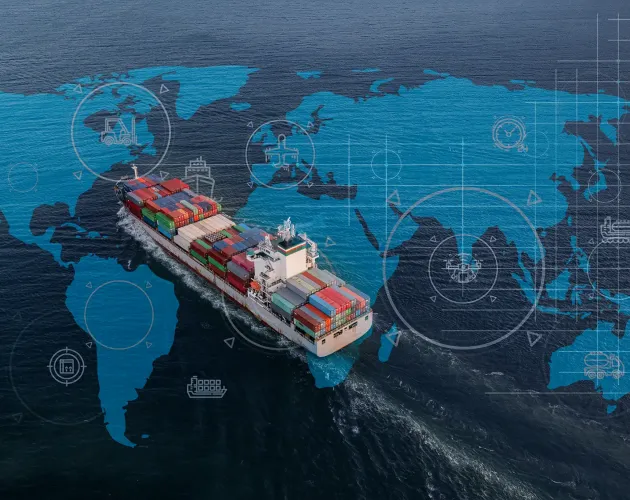
Global routes supported by local operations
With ACF Global Logistics’ international presence, you gain access to major airport hubs across North America, Europe, Asia, and Mexico. Regional offices help coordinate air shipments locally while maintaining control across global routes.
Helping you navigate less-than-truckload
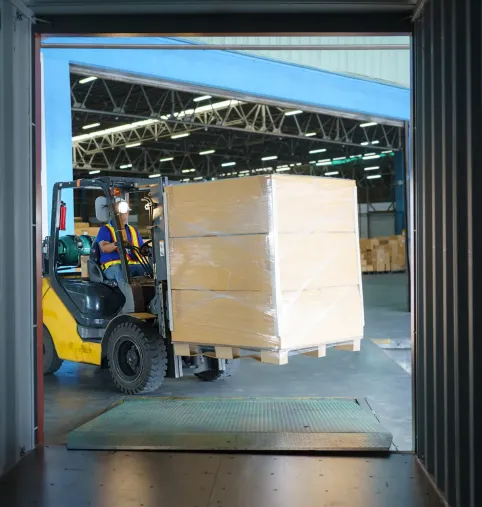

What is less-than-truckload (LTL) shipping?
Less-than-truckload shipping is a freight transportation method where multiple shipments share trailer space, allowing businesses to move smaller freight volumes without booking an entire truck.
How does LTL shipping work?
LTL shipping combines freight from multiple businesses into shared transportation networks while coordinating routing, terminal transfers, and delivery schedules across regional or domestic supply chains.
When should businesses use LTL freight services?
Businesses commonly use LTL shipping when freight volumes are too small to require a full truckload but still require palletized or commercial freight transportation.
What are the benefits of LTL shipping?
LTL shipping can help reduce transportation costs, improve shipping flexibility, and support more efficient freight movement for smaller shipment volumes.
What industries use LTL freight services?
Manufacturing, retail, healthcare, automotive, industrial equipment, and distribution operations commonly use LTL transportation services.
Does LTL shipping support regional and national transportation?
Yes. LTL freight services commonly support regional, multi-state, and national transportation operations across shared carrier networks.
What is the difference between LTL and full truckload shipping?
LTL shipping involves shared trailer space between multiple shipments, while full truckload shipping uses an entire trailer for a single shipment.
Does ACF provide shipment visibility during LTL transportation?
ACF supports shipment visibility and freight coordination throughout LTL transportation operations to help businesses maintain awareness across routing activity and delivery schedules.
Can LTL freight services help reduce shipping costs?
Yes. LTL shipping can help businesses reduce transportation expenses by paying only for the trailer space needed for their freight.
Does ACF coordinate scalable LTL transportation solutions?
Yes. ACF supports flexible LTL freight operations designed to adapt to changing shipment volumes, routing requirements, and distribution needs.